ALJ Finance leading online finance provider, allows customers to buy now, pay later with no interest and no fees. With hundreds of partners, their goal is to transform the existing retail status-quo by offering straightforward and accessible financial products to customers, while simultaneously creating true value for retailers, The objective was to enable seamless loan applications from the comfort of customers' homes, with rapid approval decisions.
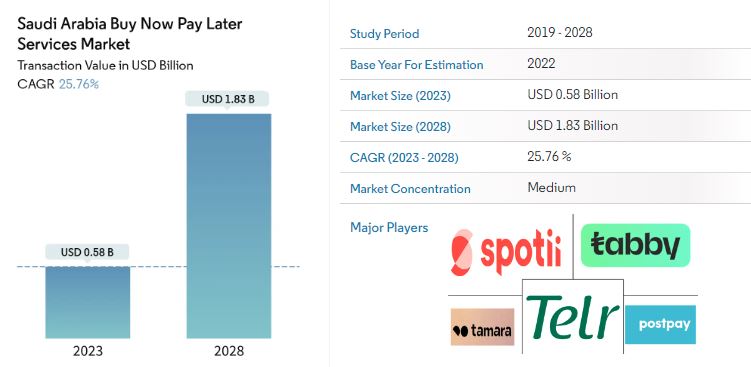
Despite falling under the umbrella of ‘alternative’ payments, Buy Now, Pay Later (BNPL) is an increasingly popular option at checkout. In fact, by 2025, BNPL is expected to account for $680 billion (12%) of all ecommerce transactions.

I'm the lead product designer for this project. I collaborated with product designers and product managers throughout this project.

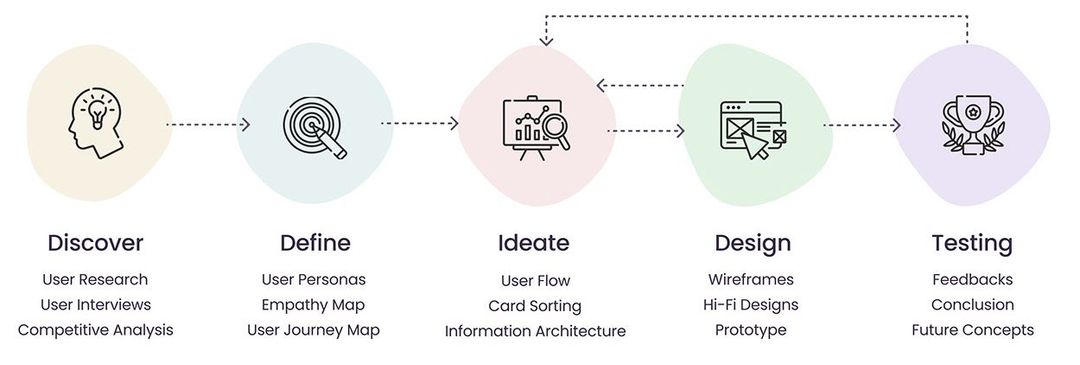
While the buy now, pay later concept is not new, it was new to the region.When we started the project, we spoke with people to understand what they wanted from a buy now, pay later solution and wanted to understand their buying habits in this region specifically.We conducted competitor research activities to understand the in-store experience for Quadpay, Afterpay, Clearpay and Klarna customers in the US and UK markets, recruiting users specifically in these markets, and ran an end-to-end shopping experience exercise, initiated from digital and concluding with in-store.The fun didn't stop there. In parallel, the Dubai team reviewed Tabby, a competing buy now, pay later fintech startup, to understand their business model and user experience.We delivered the project in three phases including the website design, the UX flow for the payment method from a merchant website, optimisation of the landing page with relevant the information architecture and entry points, and created a dashboard UX/UI for end-users and a dashboard UX/UI for retail merchants separately.Being a UAE-based business, we wrote the Arabic copy and translations of the website, and finally, designed the app to allow for POS use.

Since 2016, BNPL app experience has not been changed. Here are the key problems with the core experience.
Many customers are skeptical about online financing platforms due to hidden fees, complex terms, and unclear payment structures. This lack of transparency often results in customers hesitating to use online financing services.
Limited customer trust and transparency hinder ALJ Finance's ability to attract potential customers. It also restricts their growth as customers are less likely to engage with the service if they don't fully understand the terms and conditions, leading to decreased user adoption rates and potential revenue loss.
.png)

The current loan application process is time-consuming and complicated, requiring customers to fill out extensive forms and provide numerous documents. Additionally, the approval decisions take a long time, causing frustration among customers who expect rapid responses in the digital age.
A cumbersome application process and slow approval decisions lead to a poor user experience. Customers might abandon their applications midway due to frustration, negatively impacting conversion rates. Moreover, delayed approval decisions can deter potential customers seeking quick financial solutions, reducing ALJ Finance's competitiveness in the market
ALJ Finance's financing options are not seamlessly integrated into the systems of their partner retailers. This lack of integration leads to inefficiencies in processing payments, tracking purchases, and managing customer accounts. Retailers find it challenging to provide a smooth buying experience with the current setup.
Inadequate integration creates operational challenges for retailers, affecting their ability to offer a seamless customer experience. Customers may face issues during the checkout process, leading to abandoned carts and dissatisfied buyers. This negatively impacts both ALJ Finance's reputation and retailers' sales, resulting in potential revenue loss for both parties.
.png)
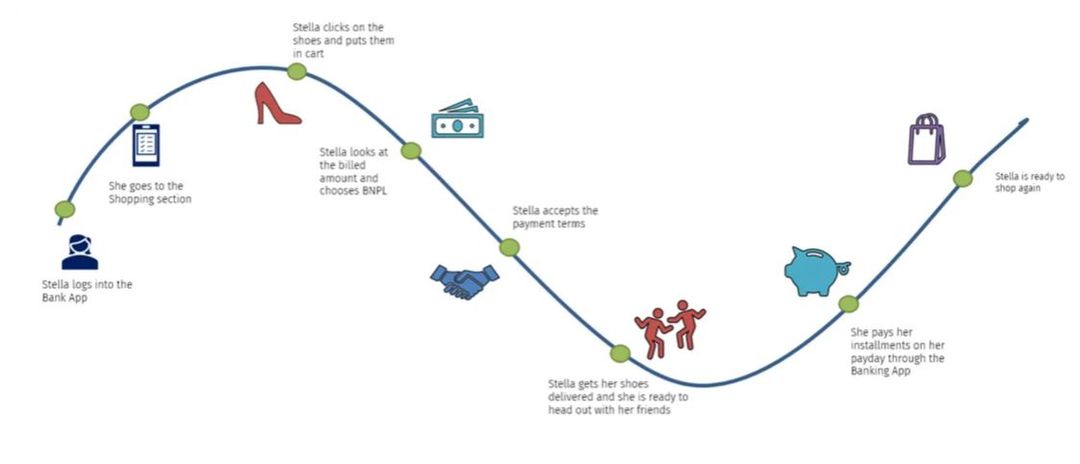
Based upon data from in-person interviews, surveys and user reviews, I organized my observations and categorized them using a customer journey map. This helped me expose pain points and areas for improvement in the app along the entire user journey. It also helped spark discussions to help close knowledge gaps and acted as a catalyst for idea sharing and generation between team and stakeholders. Furthermore, I identified various touch-points by intent and task including aspects such as emotions and expectations.

Based upon data from in-person interviews, surveys and user reviews, I organized my observations and categorized them using a customer journey map. This helped me expose pain points and areas for improvement in the app along the entire user journey. It also helped spark discussions to help close knowledge gaps and acted as a catalyst for idea sharing and generation between team and stakeholders. Furthermore, I identified various touch-points by intent and task including aspects such as emotions and expectations.

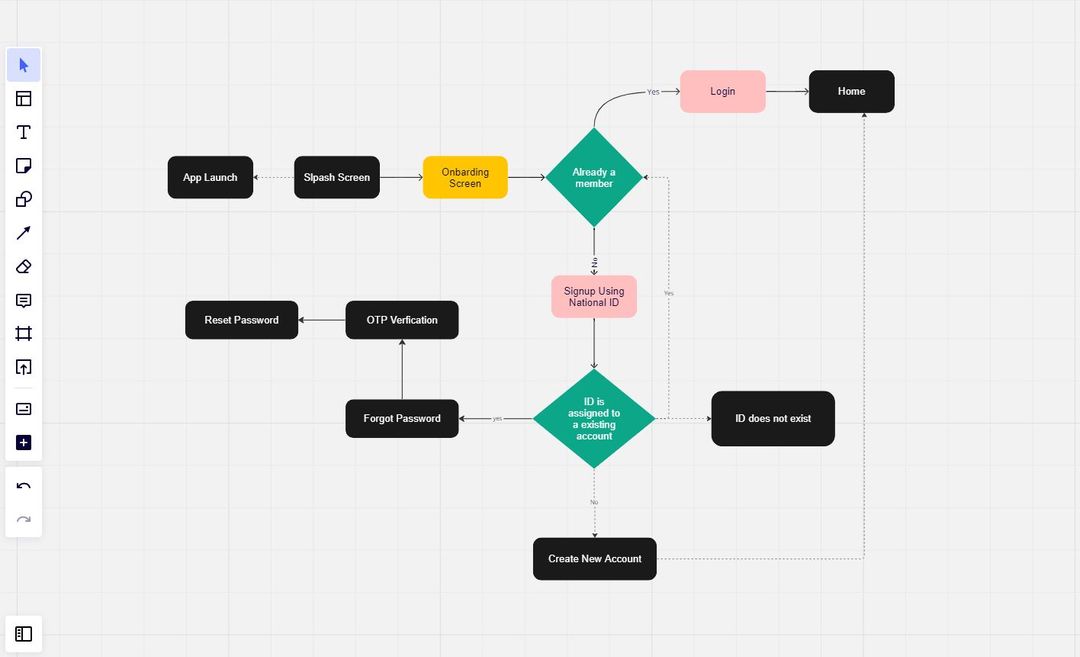
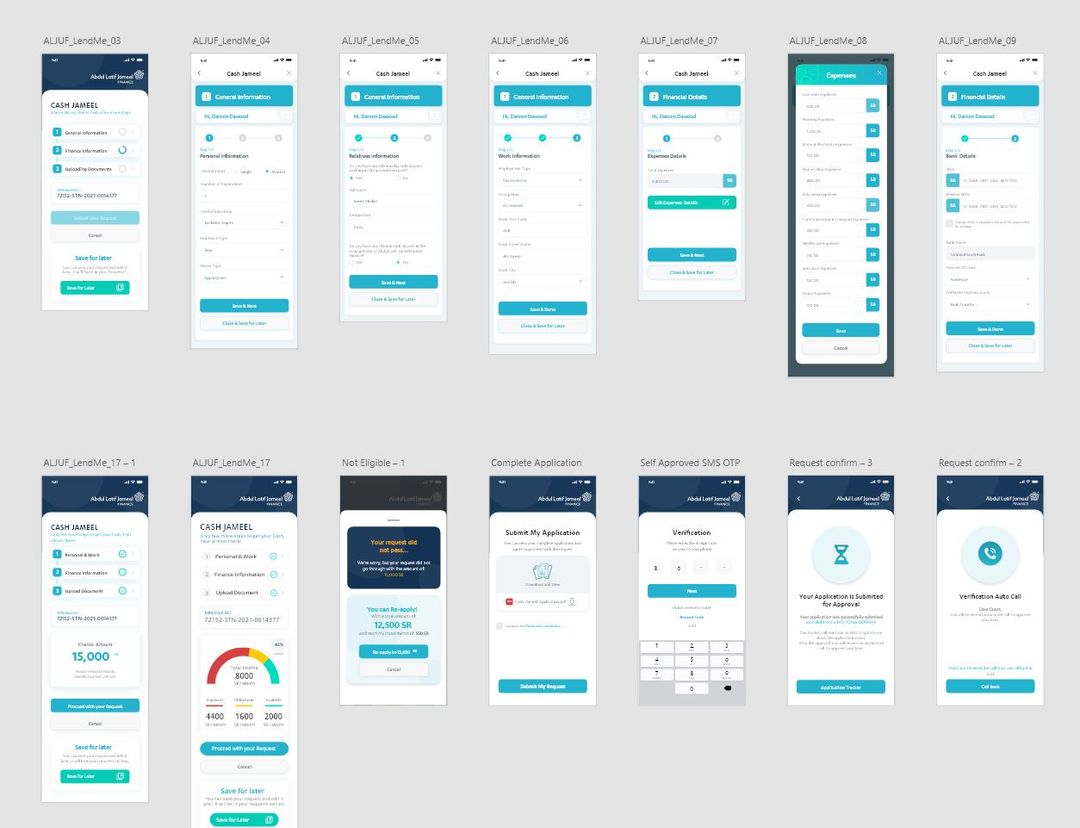
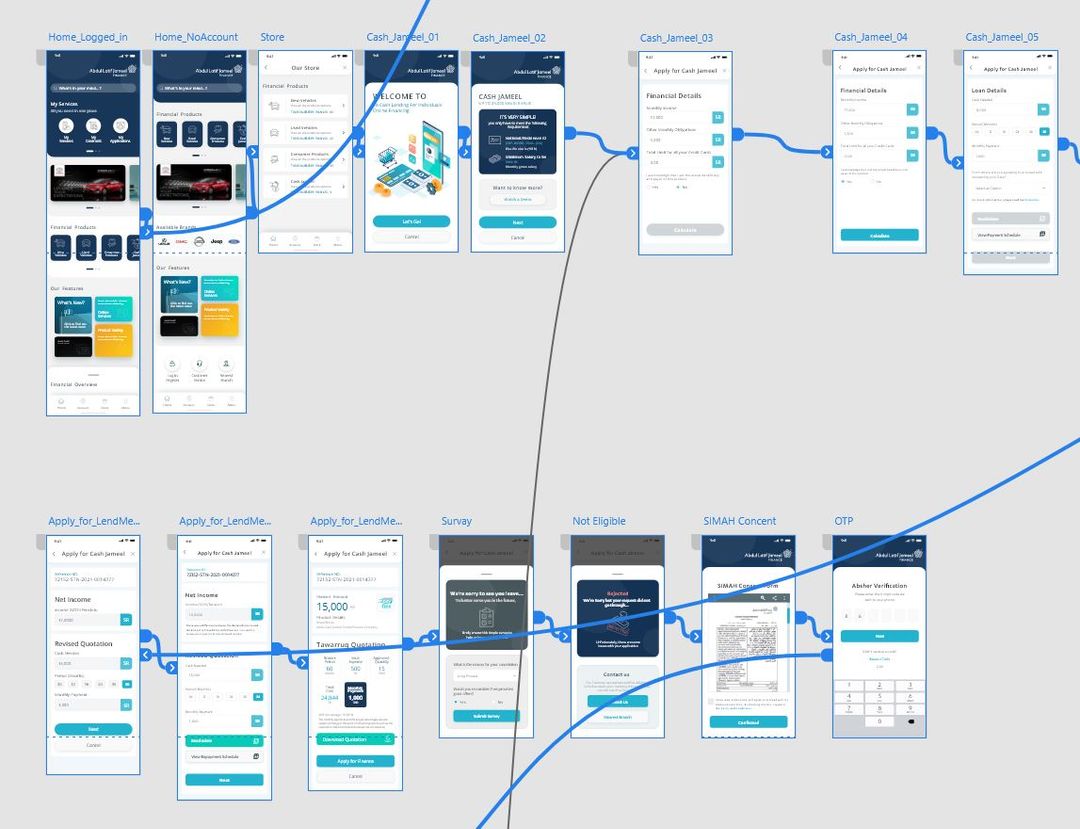
A user flow diagram helped me visualize the step-by-step journey users take within the product, allowing me to identify pain points, optimize interactions, and ensure a seamless and intuitive user experience.

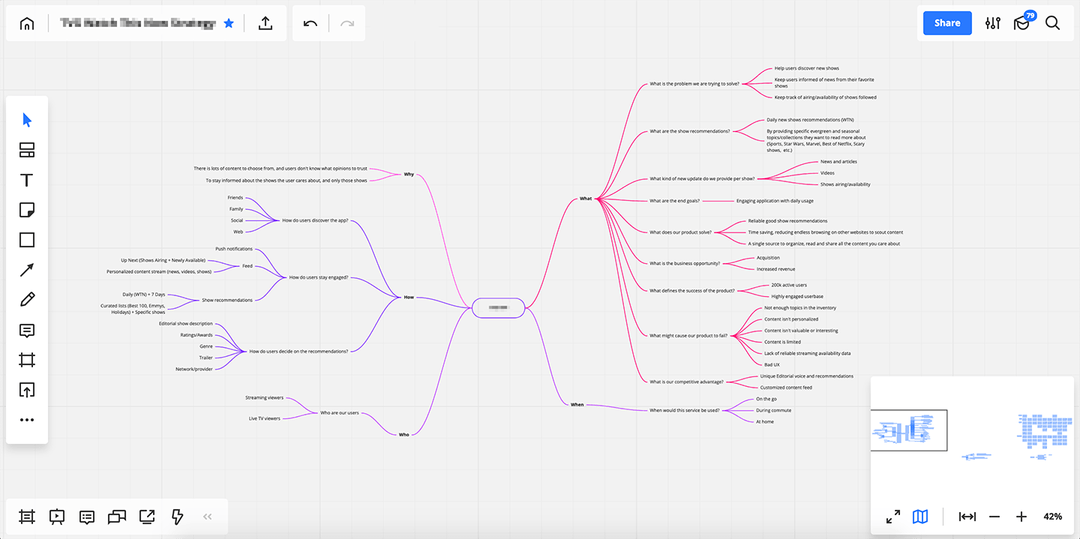
A mind mapping session for an app strategy conducted with a remote team of Product Managers and other stakeholders. The goal of this exercise was to help align user goals with business goals, and discuss the scope of the project. Using ideation techniques like the Kipling method, I was able to help facilitate discussions amongst stakeholders and agree upon a common shared goal. The visual bit was immensely helpful in generating conversations, especially with a remote team.

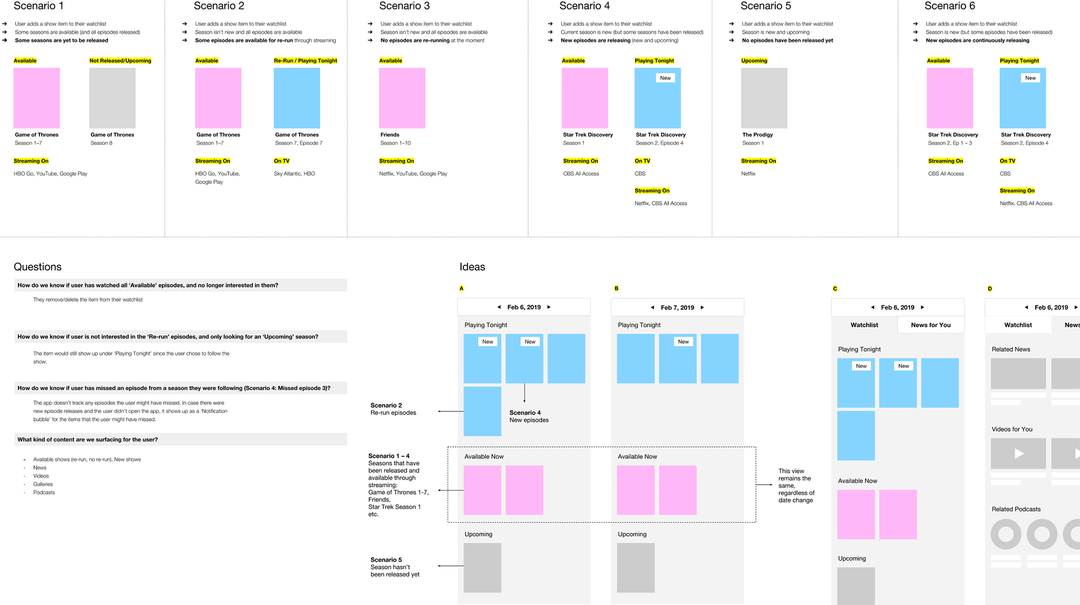
An overview of various user scenarios being mapped out for an app component during a strategy session with Product Managers. Using real-world examples, I explored various scenarios and generated concepts to help align our product goals.

I created a user flow to map out the logical progression of user interactions in the product. It helped identify bottlenecks, streamline processes, and design intuitive pathways, ensuring a user-friendly solution that aligns with user needs and goals

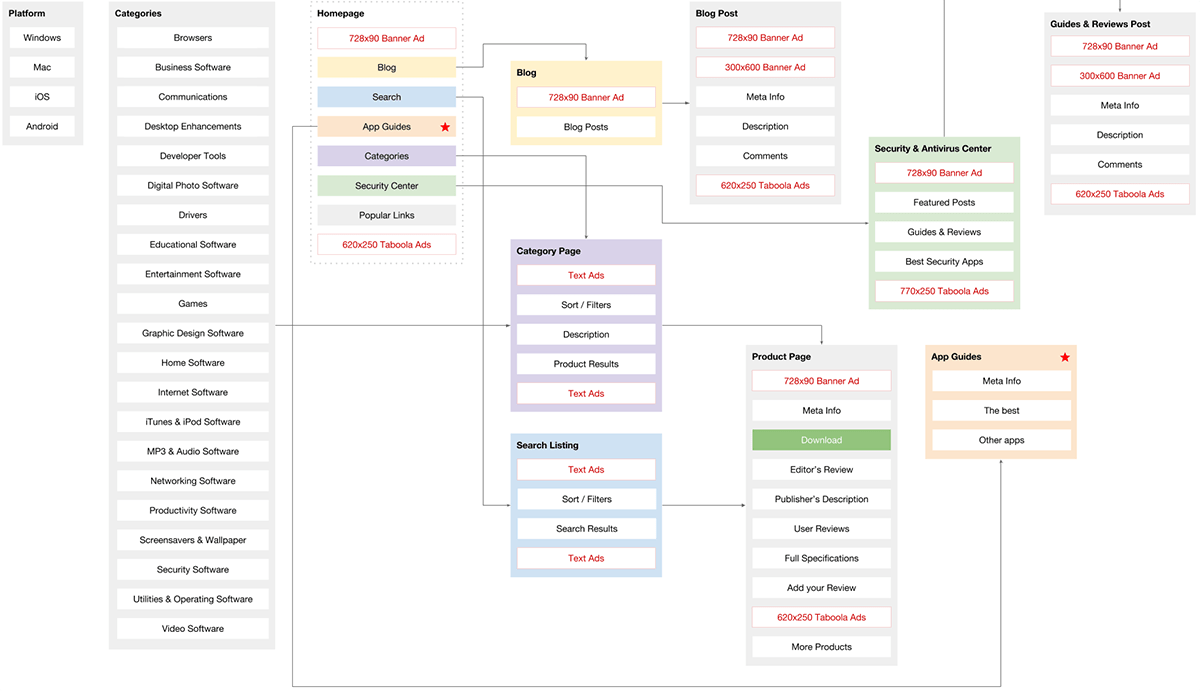
Information architecture for a software discovery platform.

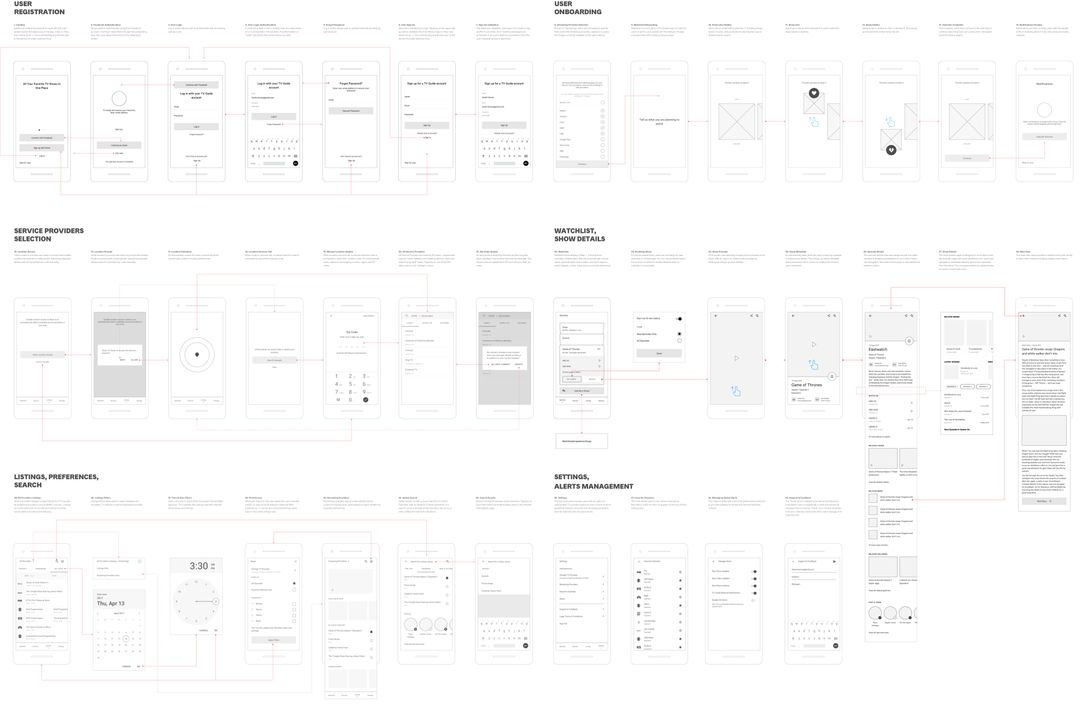
I sketched countless ideas and brainstormed various possibilities with my product team and created low-fidelity wireframes and prototypes to test.

To validate our designs or test prototypes, we did guerrilla testing with real users. Before the pandemic, we did this in-person. Now, our customer interviews are done remotely, We've tested the prototype with 17+ people in a controlled testing environment as well as the guerilla way.
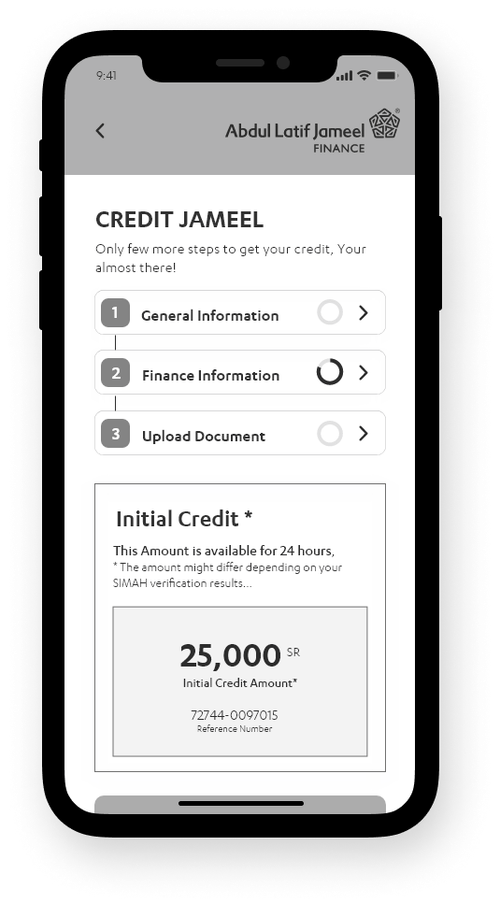
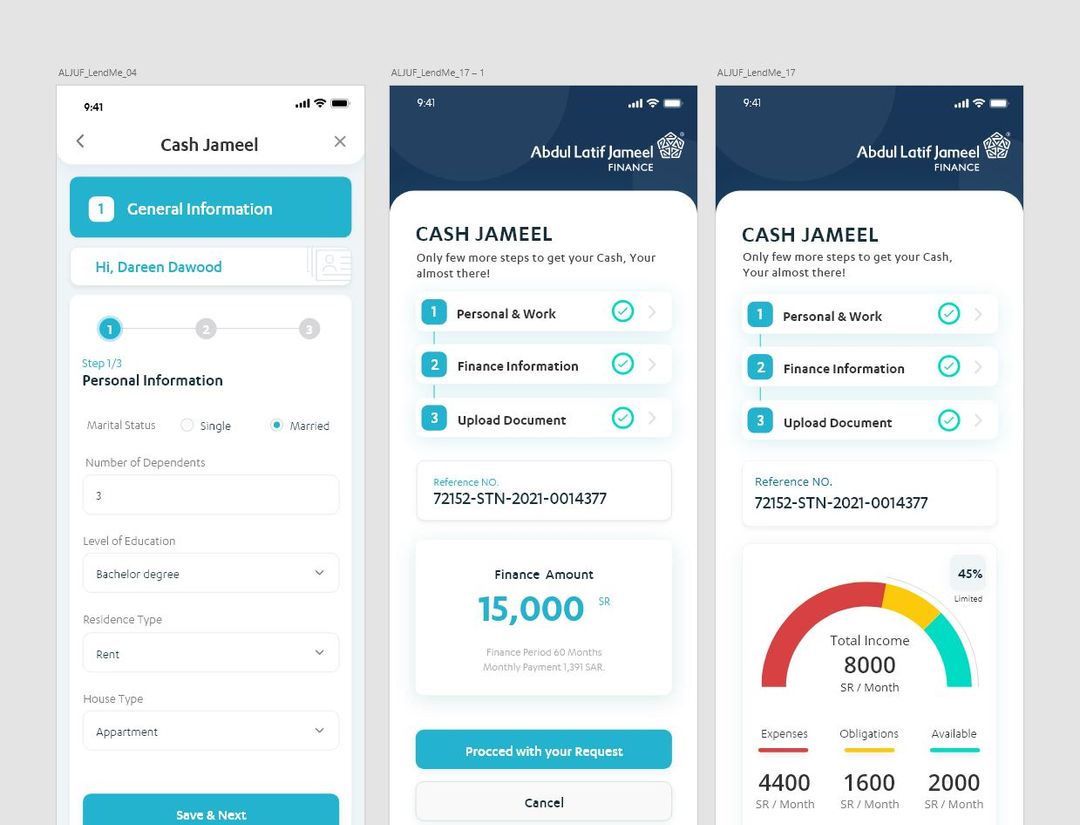
Implement a step-by-step guide with a progress tracker to help users understand their position in the application process
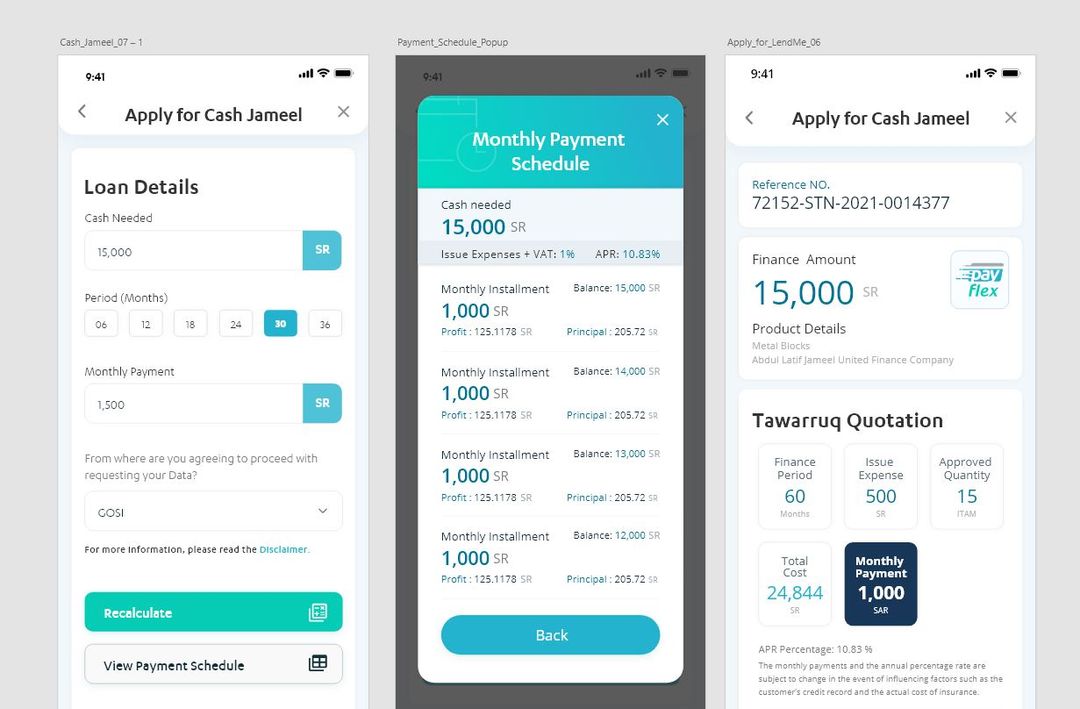
Clearly present all fees, interest rates, and repayment schedules in an easy-to-understand format.

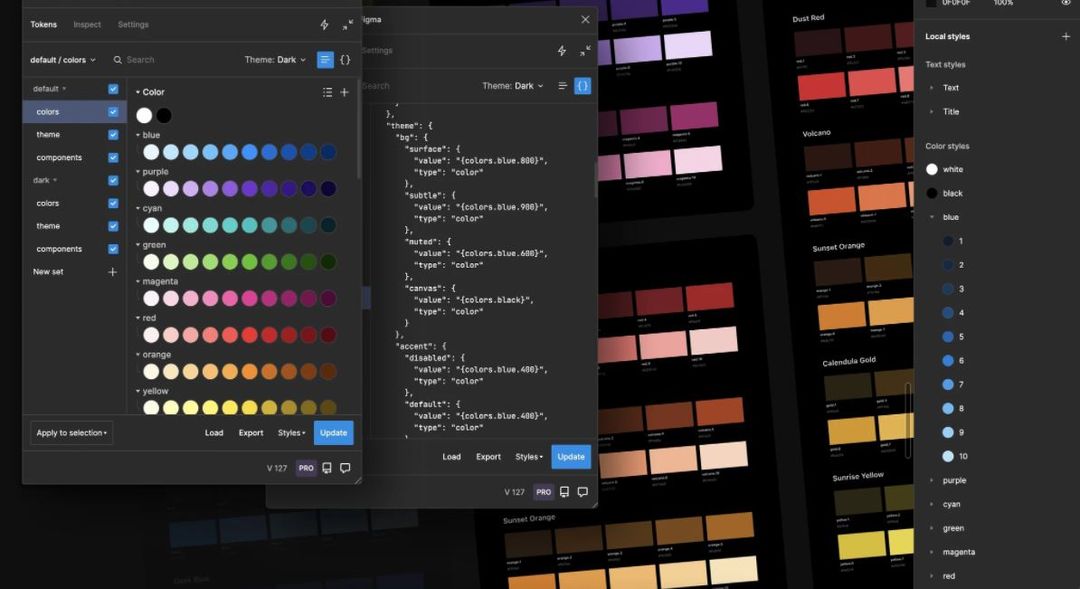
Design System was built to accommodate scalability, so components can work well alongside each other, at the same time, render well on various device resolutions.


Led Design Systems for web, mobile and native platforms, including careful planning and execution; coaching team members on topics such as accessibility, semantic integrity of colors and type scale, and implementation of design tokens etc.

Tim Brown “More Perfect Typography”